A county, read in connections

There is always another story.

A river agreement that made room for farms and fish. The skilled work behind a bronze sculpture. A failed crop, a changing store, and the people who have fought to belong.

The work of living here · Three new stories

Homes, livelihoods, and help when it matters.
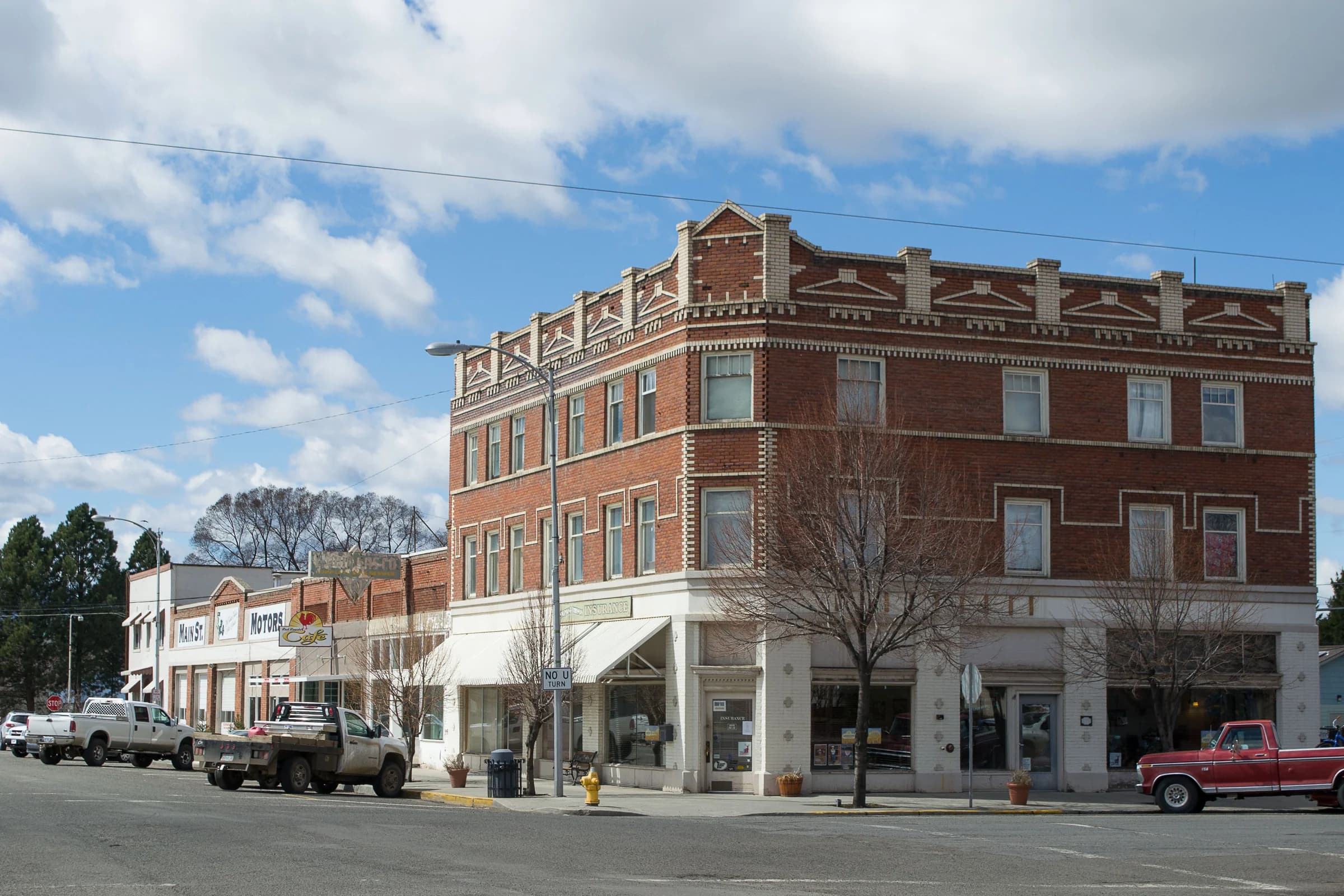
Enterprise’s downtown streetscape. Context photograph; the owner’s photographs of the EM&M itself are linked in the story.
An atlas essay Enterprise · 1935–2026

The apartments above Main Street

In 1935, Enterprise debated tearing the EM&M down. The county repaired it for housing. Nine decades later, keeping the building useful is again a question of roofs, wiring, money—and the homes inside.

Read the story
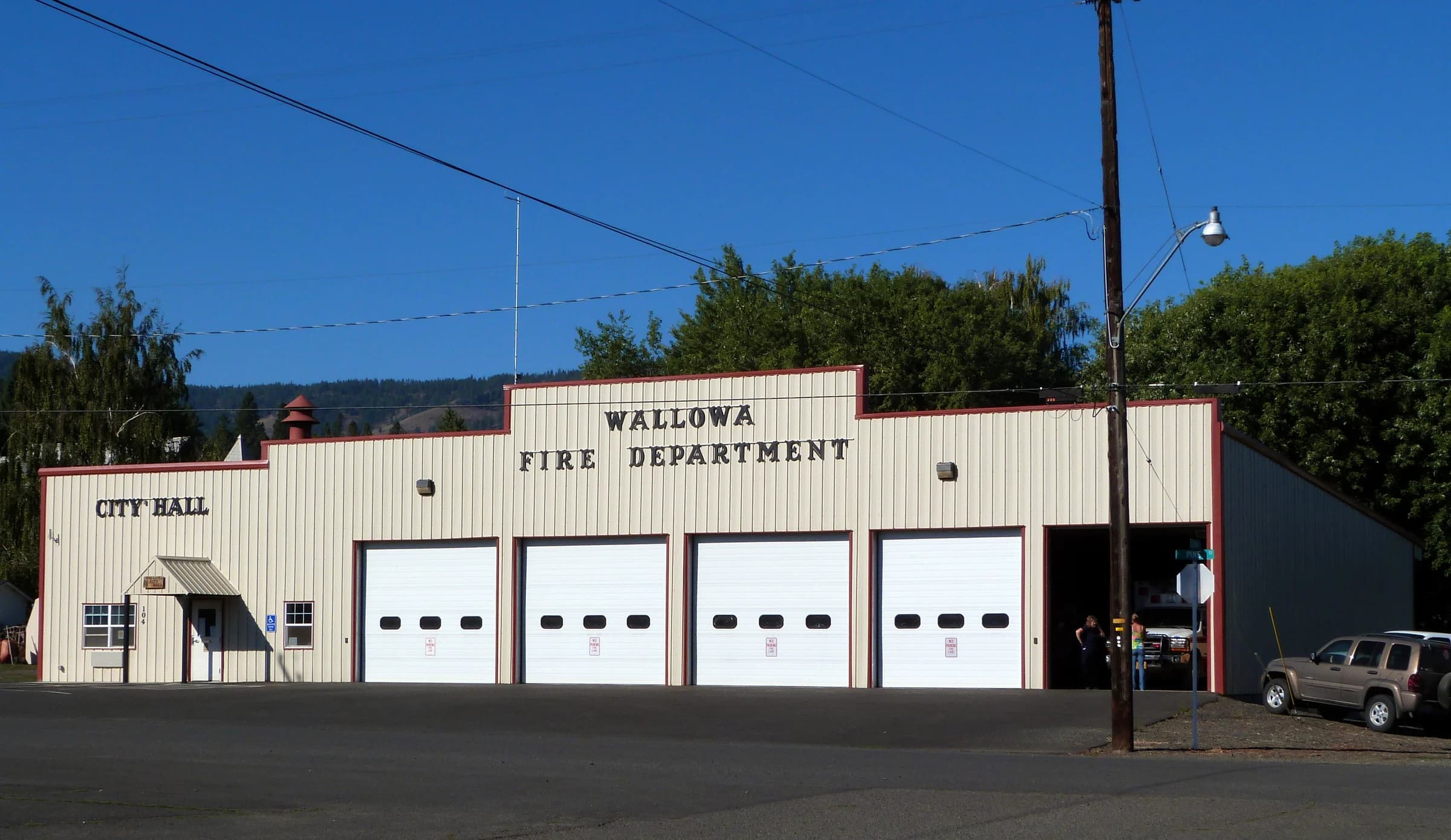
Wallowa’s combined city hall and fire station in September 2013, nine years before the hailstorm. This is a place photograph, not a damage or recovery photograph.
An atlas essay Wallowa · August 2022 and its aftermath

After the hail

Plywood arrived from Joseph. Small grants were organized in Lostine. Then Wallowa faced a different deadline: getting damaged homes repaired before winter, with money and skilled labor on different schedules.

Read the story
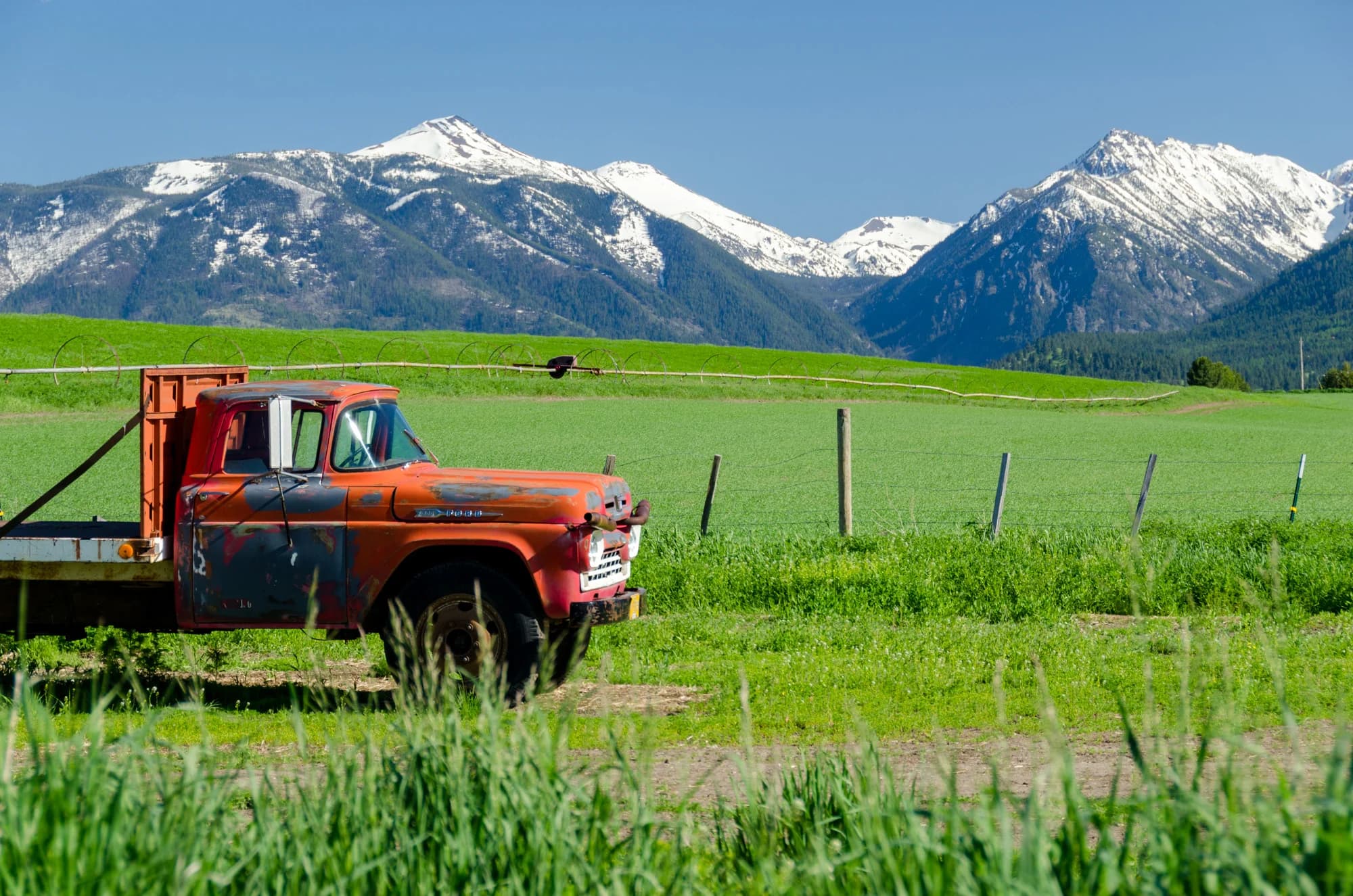
Working land near Enterprise. Landscape context; this photograph is not identified as 6 Ranch or Carman Ranch.
An atlas essay Wallowa Valley & Elgin · 2010–2012, with a 2026 source check

The long way home for Wallowa beef

A ranch needs a processor. A processor needs enough customers and skilled cutters. A restaurant needs cuts it can buy. Two Wallowa beef stories reveal how much of an agricultural economy happens after the animal leaves the pasture.

Read the story
Life here, explained

Follow the story into the bigger questions.

All issue guides
New essays · follow the evidence

A closer reading of the county.

Migration, economic change, and the uneven survival of evidence.

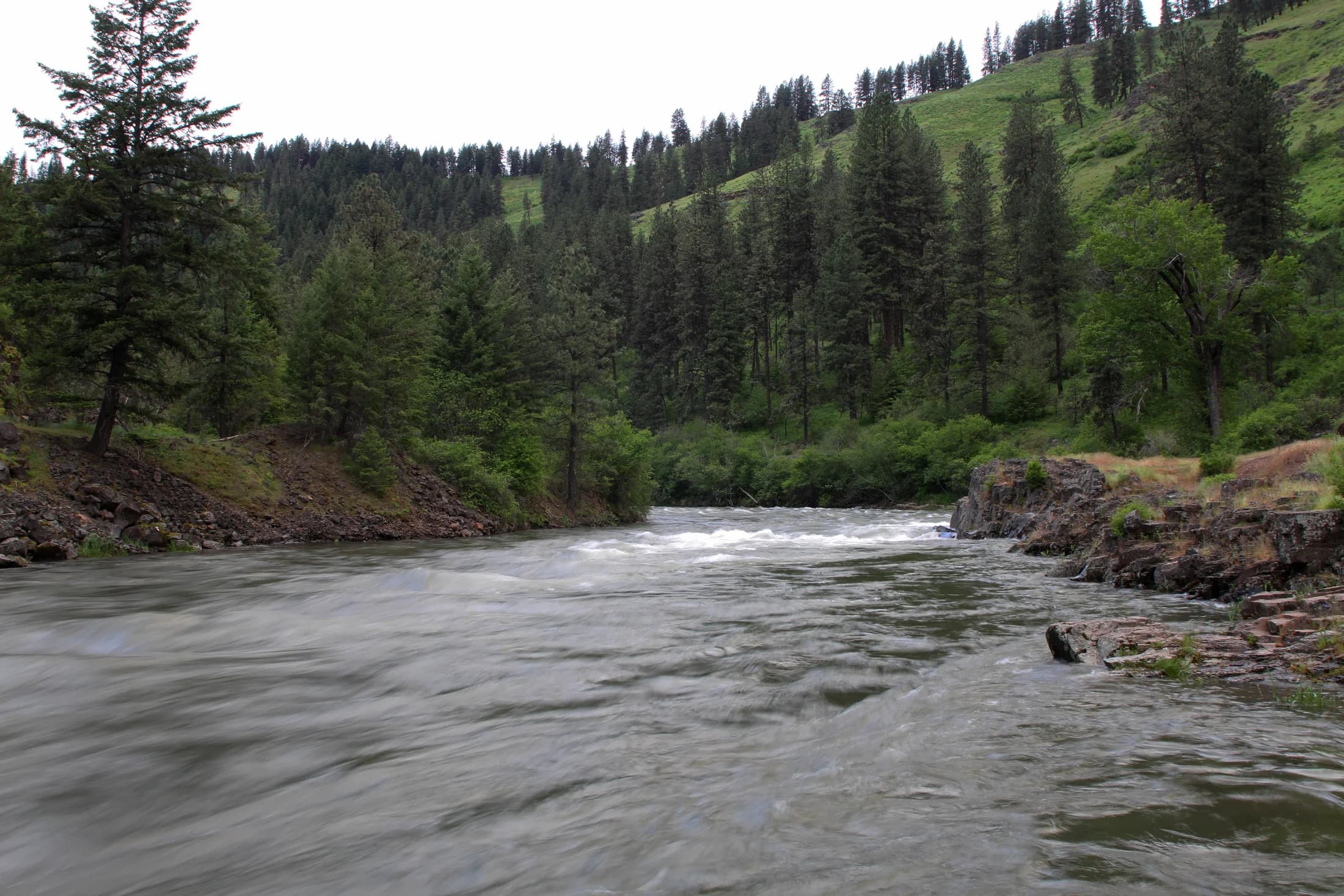
The Wallowa River, shown as regional landscape context. Portraits and historical photographs remain with their original collections.
An atlas essay Beyond the familiar account

Many ways of belonging

At Maxville, workers could share a job while their families were separated by race. Later accounts of migration, exclusion, and welcome show why belonging in Wallowa County has never had just one meaning.

Read the story
Joseph and surrounding fields. This modern landscape photograph does not identify the fields used in the historical lettuce experiment.
An atlas essay Beyond the familiar account

An economy of experiments

Lettuce fields, a horse-powered carousel, firewood shipped to Dallas, and a general store with its own radio: making a living here has meant trying new combinations of local skills and distant customers.

Read the story
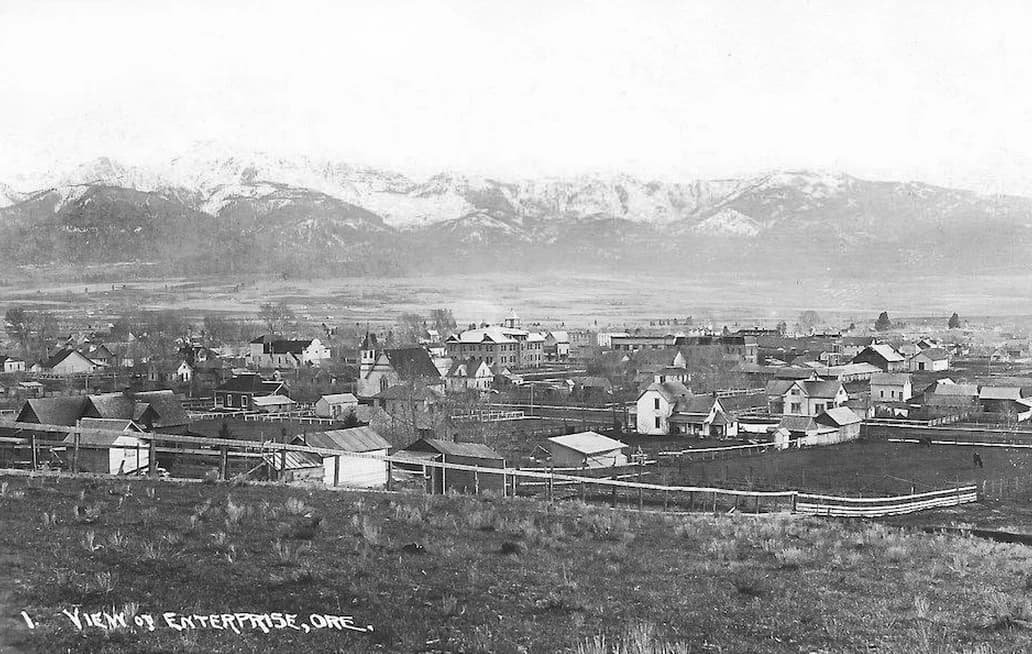
Enterprise in a postcard circa 1912. This photograph was made after the 1888 trial discussed below.
An atlas essay Beyond the familiar account

Records, and what they leave out

Chinese miners’ efforts to obtain justice, a petition to restrict return, and the people who kept local papers show that an archive is not a neutral pile of facts. Its silences have histories too.

Read the story

Browse the growing source collection ↗

Start here

Six ways into Wallowa Country

Follow water, work, homecoming, main streets, gathering places, and everyday life across the valley.

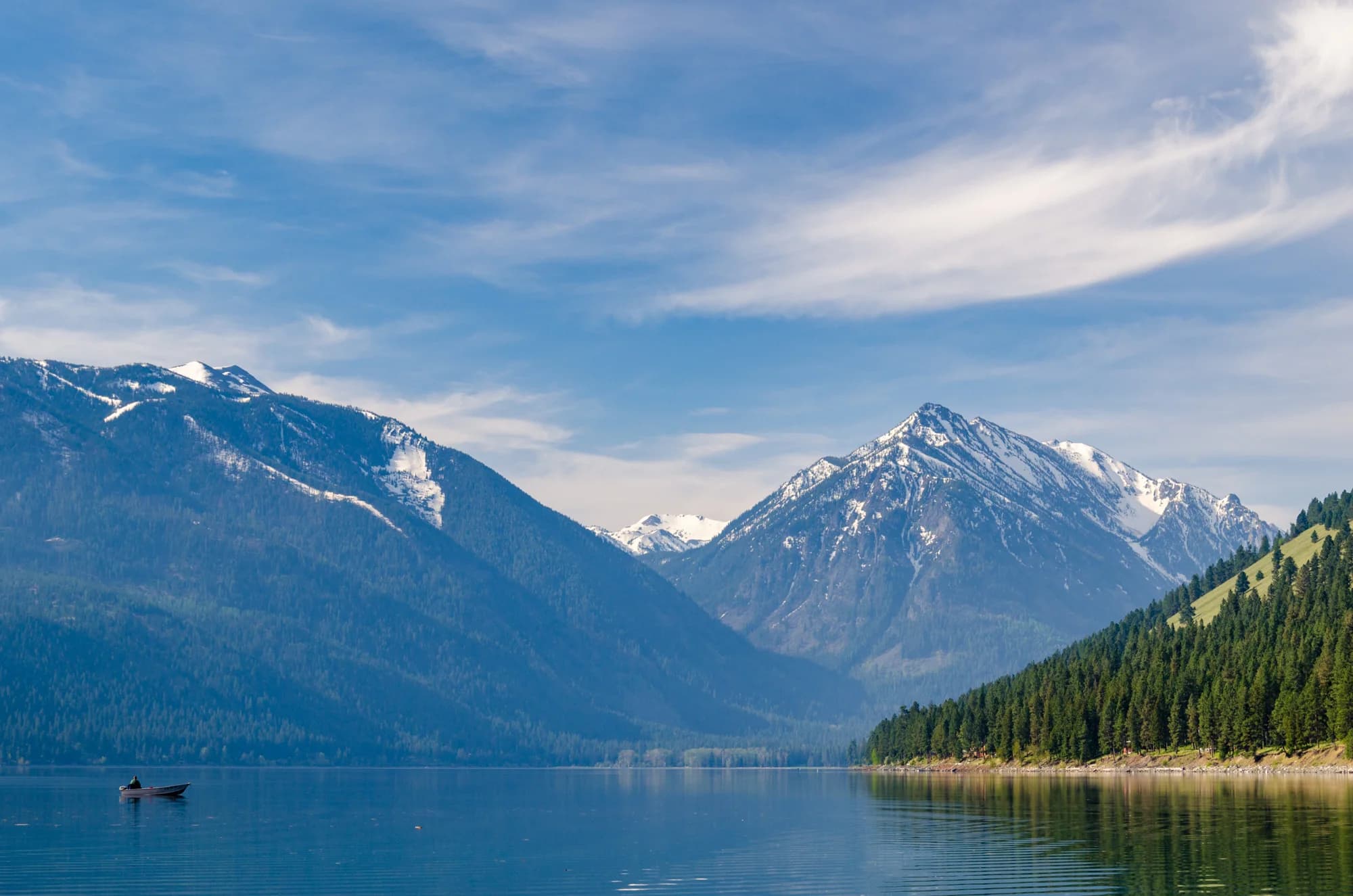
Wallowa Lake and the mountains, seen from the county park at the north end.
Chapter 01 Land & water

The land holds the story.

A river can be a farm’s water supply, a salmon’s route home, and a test of whether neighbors can make room for one another. Follow the Lostine to the East Moraine, where care for the land became a set of concrete agreements.

Read the story
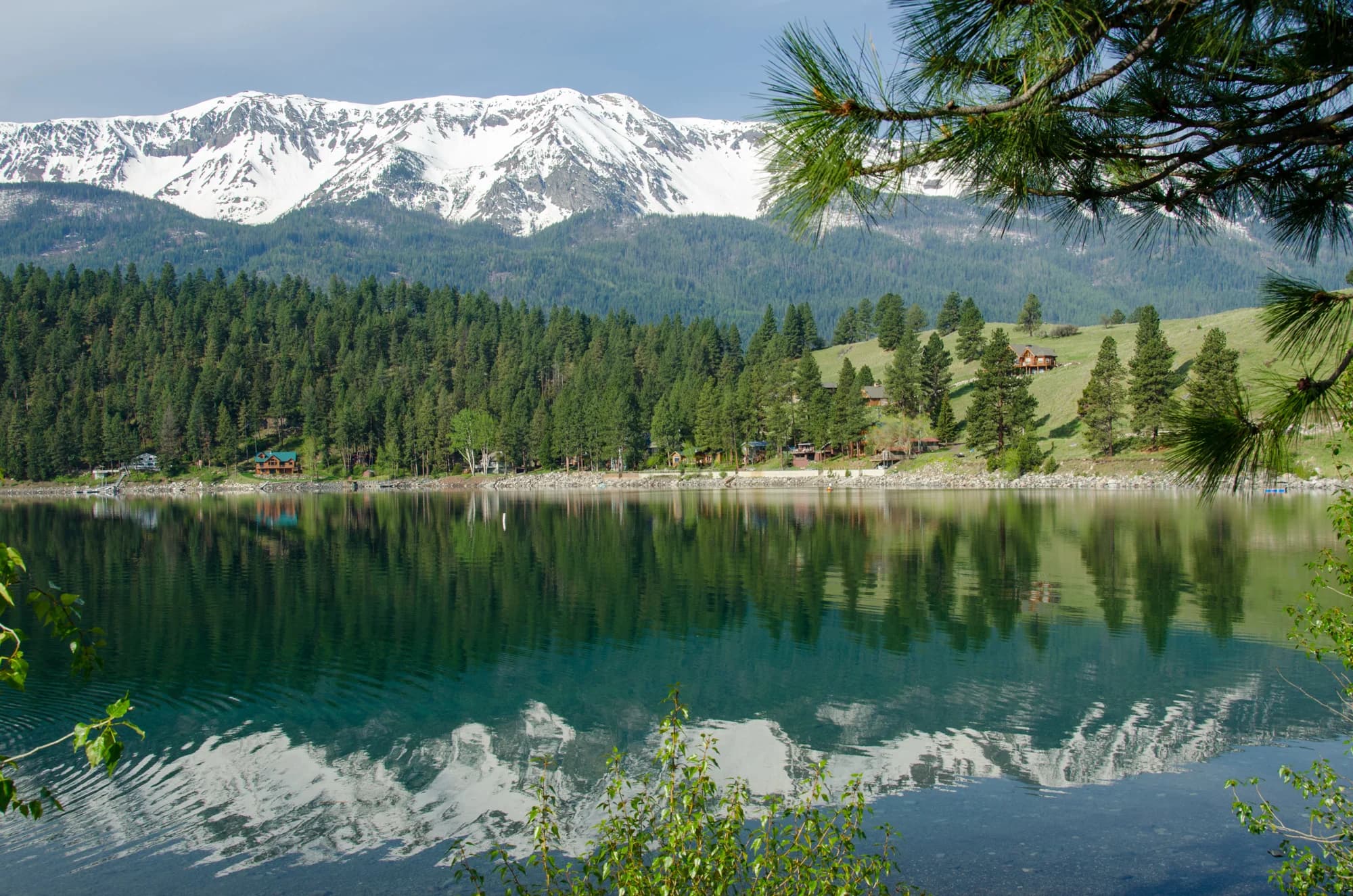
The Wallowa Mountains reflected in the lake, photographed from the north-end county park. This landscape photograph does not depict a particular cultural gathering.
Chapter 02 Indigenous homelands

A homeland, in the present tense.

Treaties, fisheries work, family visits, and a plan that looks a century ahead: Indigenous life changes the county’s story when it is understood as continuing authority and homecoming, as well as history.

Read the story
Brick storefronts along a street in Enterprise.
Chapter 03 Towns & settlement

Every main street has many lives.

An influenza-delayed theater, a bank with a hospital upstairs, and a pharmacy sharing a roof with a lodge: follow the rooms where the valley’s towns repeatedly remade their lives.

Read the story
An old truck in a field near Enterprise, with the Wallowa Mountains behind it.
Chapter 04 Work & livelihoods

Made here. A life built here.

One Joseph worker moved from the sawmill to bronze casting to public works. His path, an earlier sign painter’s commissions, and the county’s payroll figures reveal an economy more connected than its industry labels suggest.

Read the story
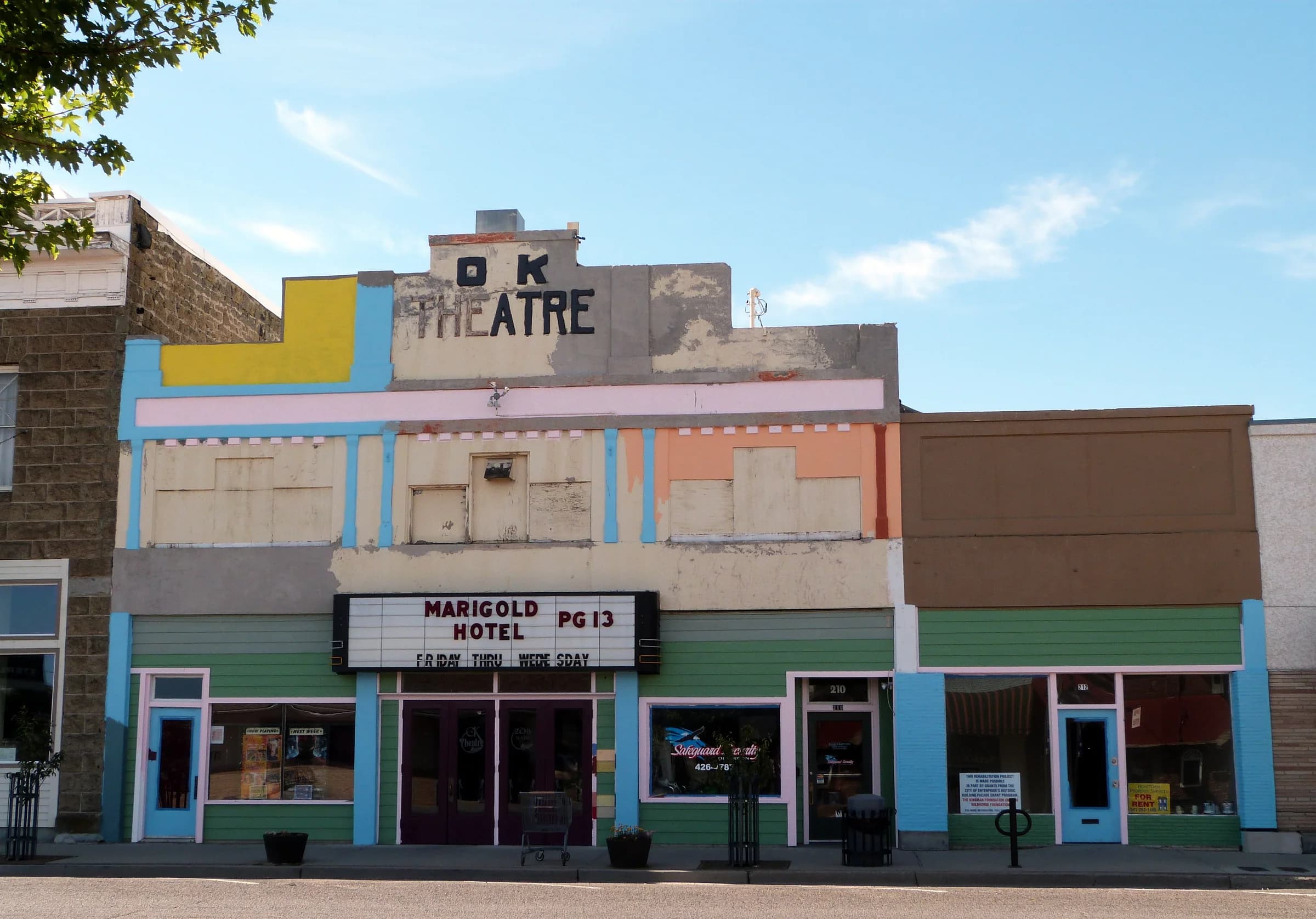
The OK Theatre facade in Enterprise. The marquee records a moment in the past, not a current program.
Chapter 05 Culture & gathering

The places we find each other.

Fishtrap began with a question about whose West was being represented. A library, a Grange hall and a few drawers of saved papers tell related stories about making room for the county to describe itself.

Read the story
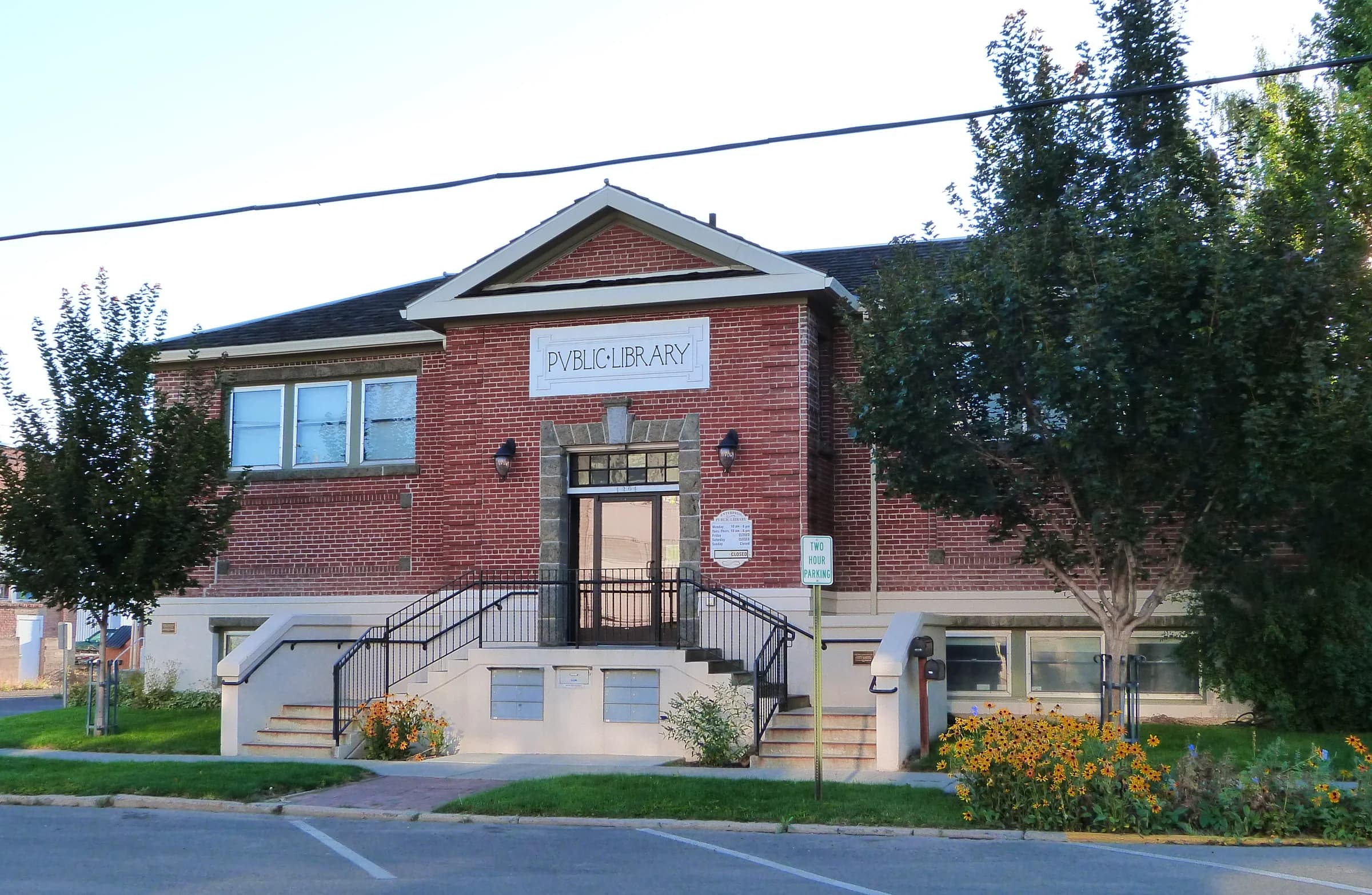
The Enterprise Public Library building.
Chapter 06 Everyday life

What makes a place a home.

A neighbor’s meal, a contested library vote, a job without an easy place to live: the ability to stay in Wallowa County depends on relationships and institutions that a landscape photograph cannot show.

Read the story
An open conversation · 2046

What should home
feel like in twenty years?

The work worth carrying on. The people who should be able to stay or return. The changes you hope to see—and the things you hope will last.

Explore Home in 2046 ↗
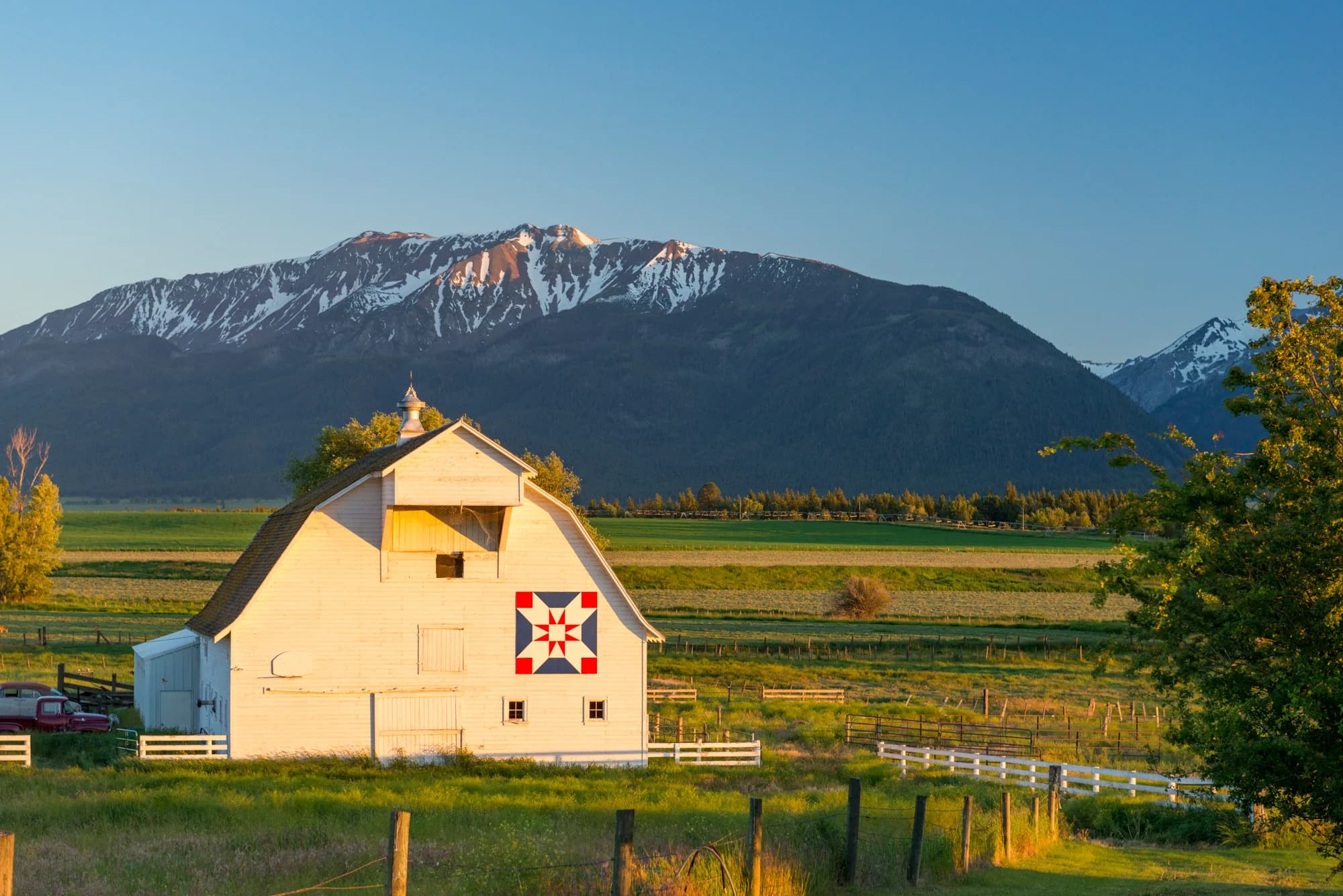
A barn and working fields beneath the Wallowa Mountains
Gary Halvorson, Oregon State Archives · 20 June 2016 · CC BY 4.0 · Image & source ↗