What does it take to find a year-round home here?

An available dwelling, an affordable monthly cost, and a workable journey to jobs and care are different parts of the same housing question. Start with an Enterprise building, then examine what the countywide figures can tell us.

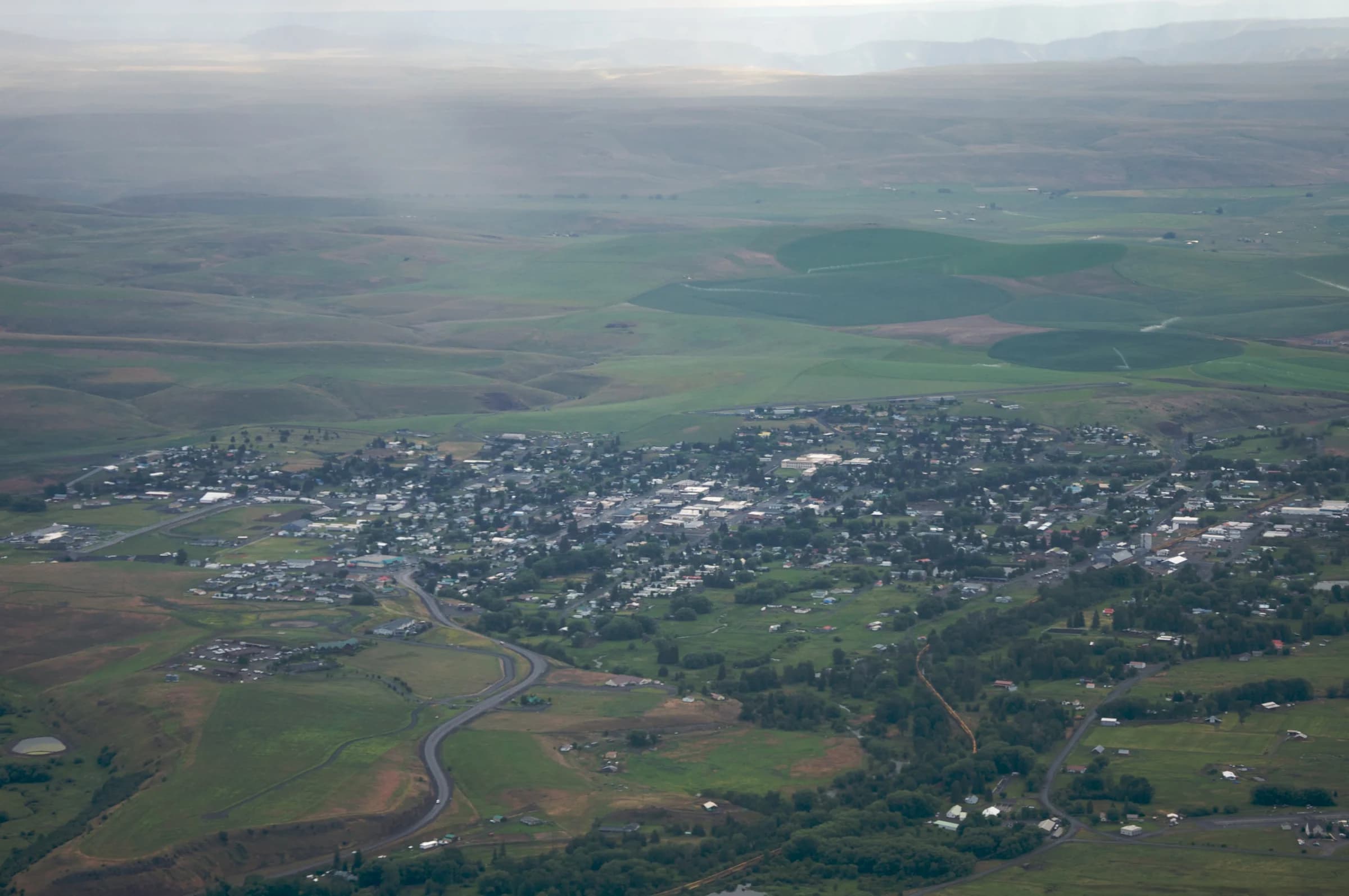
Enterprise and surrounding fields. A landscape photograph does not establish vacancy, ownership, or development capacity.
Enterprise and surrounding fields. A landscape photograph does not establish vacancy, ownership, or development capacity. Sam Beebe · 2007-07-08 · CC BY 2.0 · Image & source ↗
In this guide 4 explanations and a comparison
Atlas analysis

A dwelling has several prices

A purchase price, a monthly rent, and the cost of operating a home measure different things. For an existing resident, utility bills and essential repairs can matter as much as the asking price of nearby properties. For someone moving in, availability and move-in costs can make a dwelling inaccessible even when its monthly rent looks manageable.

The EM&M story supplies a concrete example: replacing equipment and repairing an occupied building are housing interventions, even when they do not add a new address to the map. To assess their effect, compare the number of usable homes and total household costs, with attention to which households the project serves.

Evidence & definitions1. Enterprise projects: EM&M building2. Working Homes advances housing, building preservation projects in Wallowa County
Project record

Read the dates before reading the numbers

Census QuickFacts reports a median gross rent of $981 and median household income of $67,112 for 2020–2024. These are multi-year estimates in 2024 dollars. They are not a September 2026 rental listing survey, and the median household is not necessarily the median renter household.

Dividing those two medians would not establish the share of renters who can afford housing. A sound comparison needs renter incomes and housing costs measured for the same households and period. Nor does a count of housing units identify which units are available for year-round occupancy.

A closer look

Three different questions

  1. Availability

    Which homes can someone actually rent or buy now?

  2. Affordability

    What would that household pay, relative to its income?

  3. Condition

    What work is needed to keep the home safe and usable?

A reading guide, not a new estimate. Keep the population and reference period attached to each measure.
Evidence & definitions3. Wallowa County QuickFacts: housing, population and business measures
Reported experience

Housing reaches into care and employment

The 2025 health assessment’s informants connect housing to recruitment. Its priority-setting exercise placed housing-related social conditions first. These findings record an important institutional perspective, not a vote of every resident or a measurement of every employer’s vacancies.

The childcare example at Wallowa Memorial adds another dimension: a worker’s ability to take a position depends on a set of arrangements around the job. A housing strategy evaluated without childcare, transport, or care for older relatives can overlook why a household still cannot make a move work.

Evidence & definitions4. Wallowa Memorial Hospital: 2025 community health assessment summary5. Workforce Introduction
Atlas analysis

Measure who benefits, as well as what gets built

Existing owners, renters, new arrivals, and people who want to return can experience the same market differently. Rising property values can increase an owner’s asset value while making entry harder for another household. That is a reason to specify whose position a measure describes, rather than call every increase either prosperity or crisis.

New construction and preservation can both matter. Their results depend on price, location, eligibility, operating costs, and the duration of any affordability conditions. The comparisons below identify evidence that would make those differences assessable. They are questions for evaluating approaches, not endorsements of a particular policy.

Evidence & definitions3. Wallowa County QuickFacts: housing, population and business measures2. Working Homes advances housing, building preservation projects in Wallowa County
Atlas analysis · comparison framework

Compare approaches

What each approach tries to do—and what would need to be known
ApproachPurposeEvidence to examine
Preserve existing apartmentsKeep currently usable homes from being lost to deterioration.How many remain available, at what rent and utility cost, and with what tenant protections?
Add homes within townIncrease supply near existing services and infrastructure.What are total development costs, eligible buyers or tenants, and the long-term affordability terms?
Employer-linked supportAddress a specific recruitment or childcare obstacle.Who is eligible, what happens after a job change, and which households remain outside the program?
Evidence & definitions2. Working Homes advances housing, building preservation projects in Wallowa County5. Workforce Introduction
Open questions

What would change the picture?

  • How many rentals are available year-round, by town and household size?
  • How do rents and utilities change after rehabilitation?
  • What roles do seasonal use, construction costs, wages, and household changes each play? Existing evidence does not isolate their contributions.
Follow the evidence

Sources & definitions

  1. Enterprise projects: EM&M building
    Working Homes LLC · Examined 2026-09-13

    Publication: undated. Locator: City of Enterprise; EM&M Building; paragraphs 1–3. Owner’s account; last remaining affordable claim is not an independently tested inventory.

  2. Working Homes advances housing, building preservation projects in Wallowa County
    Shannon Weidemann (McKone), Elkhorn Media Group · Examined 2026-09-13

    Publication: 2026-09-02. Locator: EM&M paragraphs and five-item Current upgrades list. Separate publication, but project account centers on Working Homes; no tenant interviews or independent completion inspection stated.

  3. Wallowa County QuickFacts: housing, population and business measures
    U.S. Census Bureau · Examined 2026-09-13

    Read September 13, 2026. Locators: Age and Sex, Housing, Income & Poverty, Businesses. Age figures use V2025; housing costs/income are 2020–2024 estimates in 2024 dollars; nonemployer counts are 2023. Median gross rent is not a current asking rent. Web page examined; direct archival fetch returned 403.

  4. Wallowa Memorial Hospital: 2025 community health assessment summary
    Oregon Office of Rural Health / Wallowa Memorial Hospital · Examined 2026-09-13

    2025 assessment; PDF pages 1–2, priorities, housing and care access. Survey estimates and key-informant perspectives, not a housing inventory or a referendum. Summary combines data from different reference years.

  5. Workforce Introduction
    Robert Barclay et al., Flex Monitoring Team · Examined 2026-09-13

    Publication: 2025-03. Locator: Printed/PDF p. 5, opening Wallowa Memorial paragraph; p. 4 Quality of Life. Short case study, no item-level source for Wallowa interview or outcome statistics. PDF extraction contains an unrelated 2021 text layer; visible March 2025 title governs.

Back to the lives and places

The stories behind the questions.
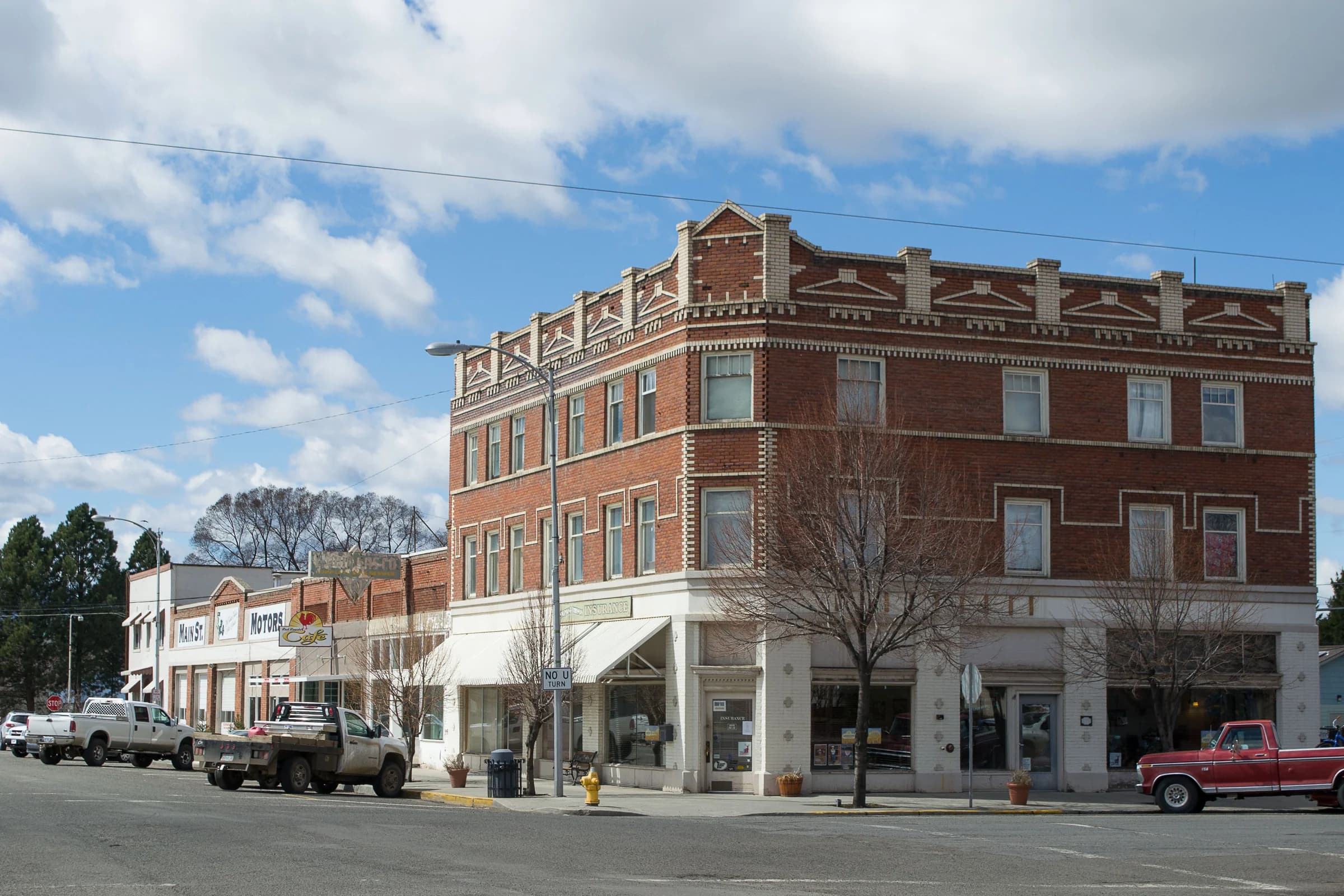
Enterprise’s downtown streetscape. Context photograph; the owner’s photographs of the EM&M itself are linked in the story.
An atlas essay Enterprise · 1935–2026

The apartments above Main Street

In 1935, Enterprise debated tearing the EM&M down. The county repaired it for housing. Nine decades later, keeping the building useful is again a question of roofs, wiring, money—and the homes inside.

Read the story
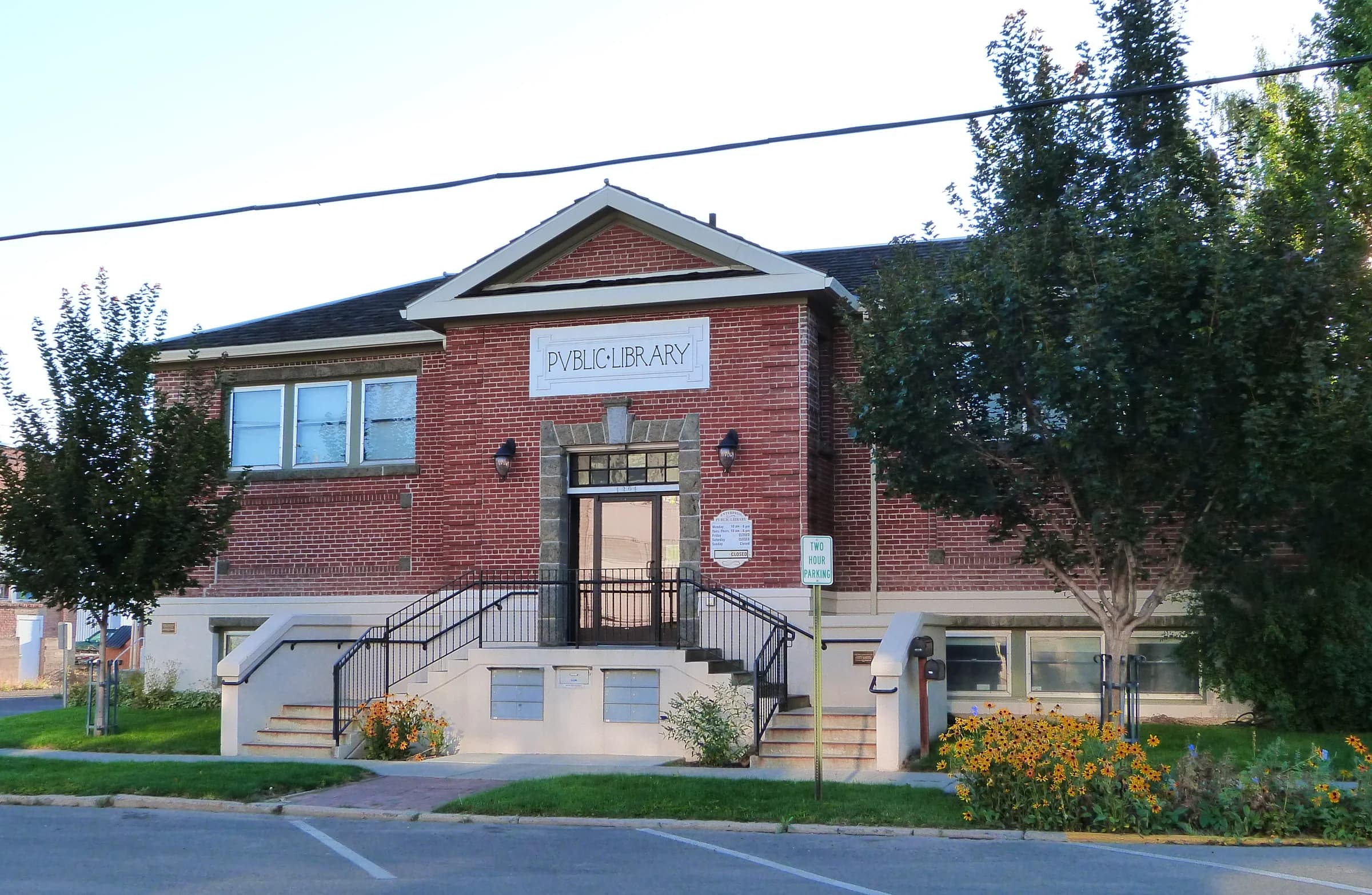
The Enterprise Public Library building.
Chapter 06 Everyday life

What makes a place a home.

A neighbor’s meal, a contested library vote, a job without an easy place to live: the ability to stay in Wallowa County depends on relationships and institutions that a landscape photograph cannot show.

Read the story
Brick storefronts along a street in Enterprise.
Chapter 03 Towns & settlement

Every main street has many lives.

An influenza-delayed theater, a bank with a hospital upstairs, and a pharmacy sharing a roof with a lodge: follow the rooms where the valley’s towns repeatedly remade their lives.

Read the story