One Joseph worker moved from the sawmill to bronze casting to public works. His path, an earlier sign painter’s commissions, and the county’s payroll figures reveal an economy more connected than its industry labels suggest.
Editorial synthesis · 6 minute read · 14 sources
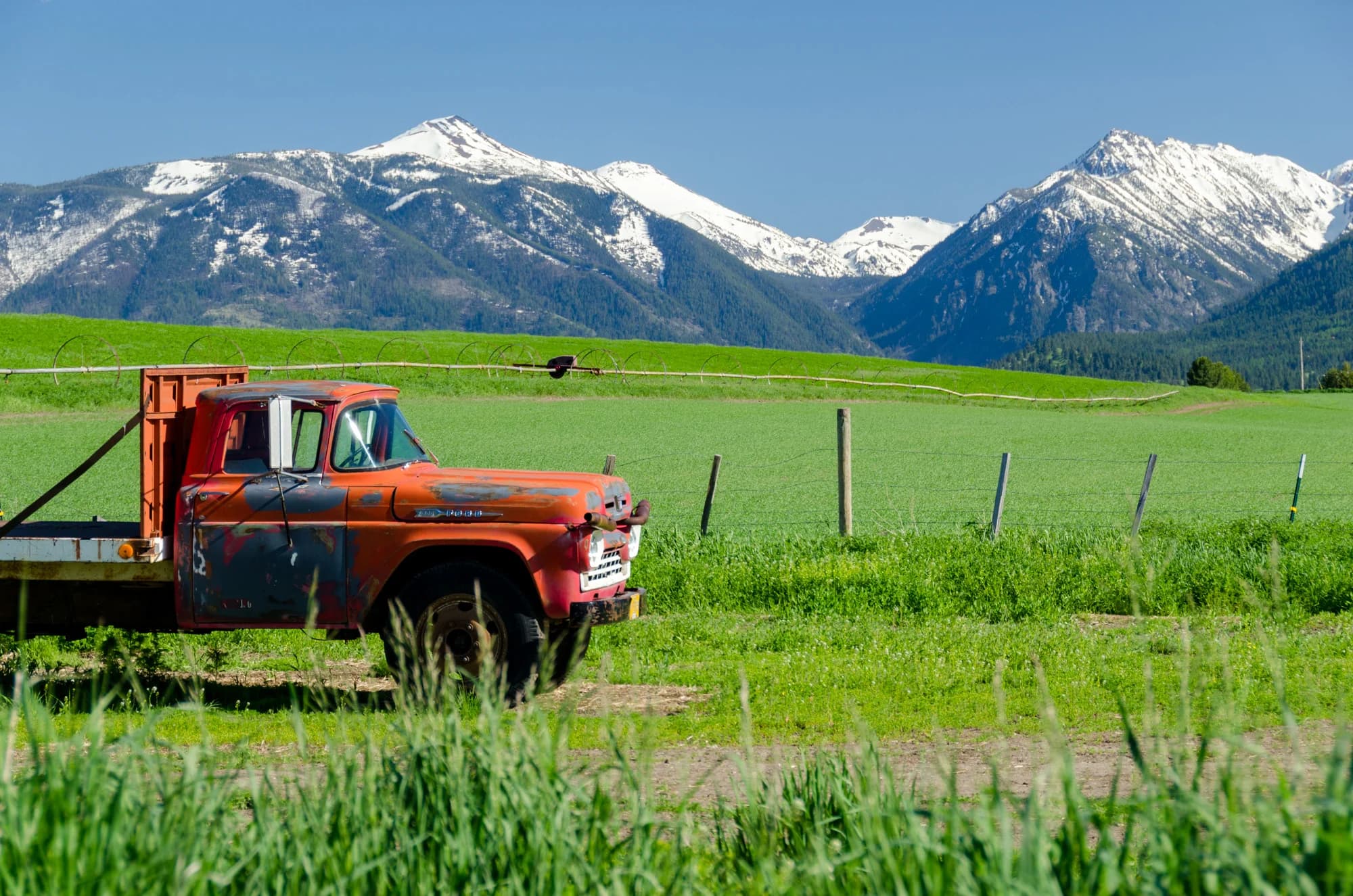
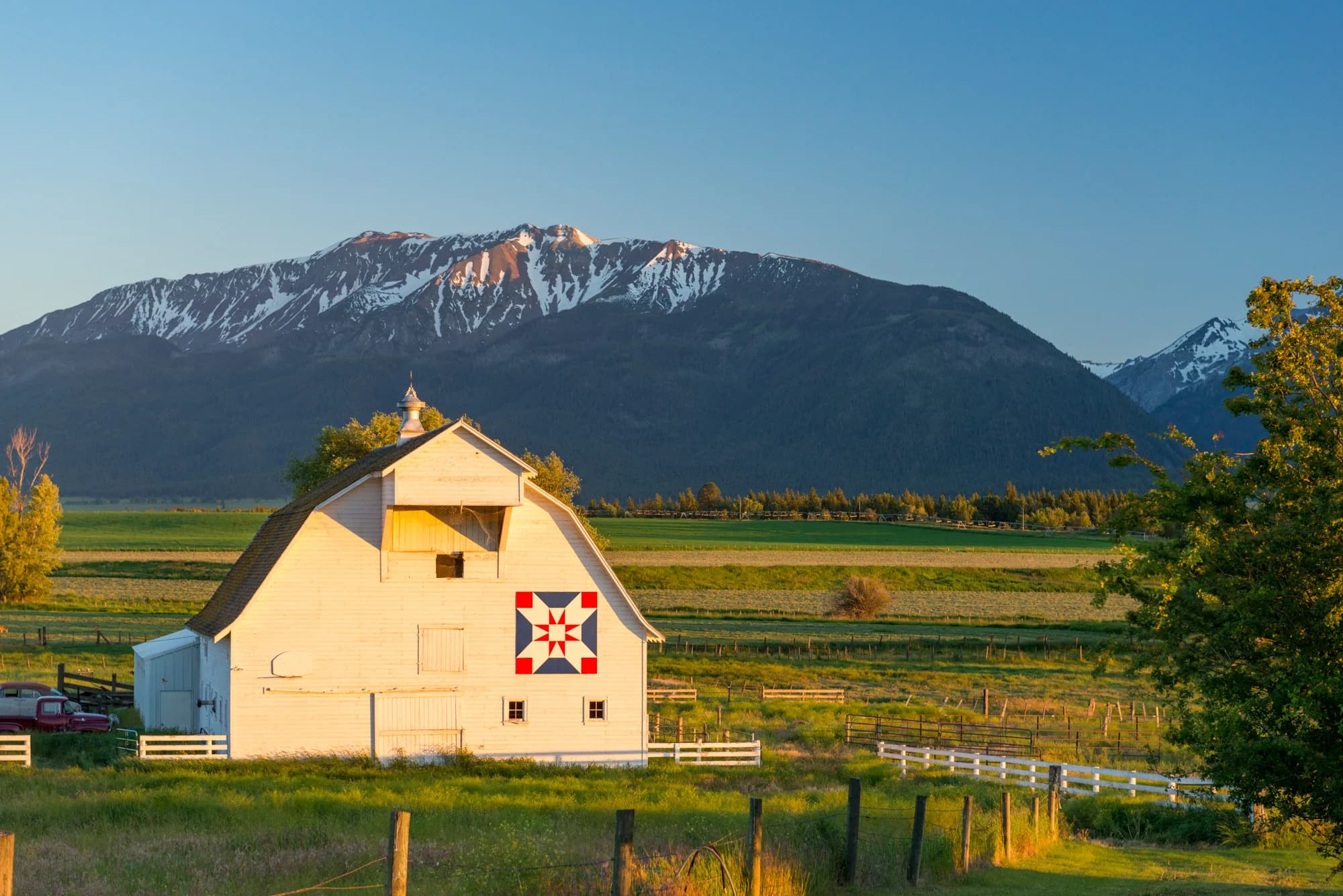
An old truck in a field near Enterprise, with the Wallowa Mountains behind it. Gary Halvorson, Oregon State Archives · 14 June 2011 · CC BY 4.0 · Image & source ↗
In this story 7 sections
The work behind the bronze
A sculpture can introduce Joseph to someone who has never entered a foundry. Valley Bronze describes production in the town since 1982 and an expansion for monument work in 1987. Its services reach from fine-art casting to ornamental metalwork, custom parts, and installation of large pieces. The finished object is the public face of a manufacturing workplace.
The distinction matters economically. Looking at a sculpture identifies an artist and an object; understanding the work requires following design, casting, finishing, fabrication, and delivery. A town’s artistic reputation can rest partly on skills that visitors never see practiced.
Those stages also suggest what a useful industry account needs to know: where work is performed, what skills it requires, and which activities are bought from other businesses. The available company descriptions establish capabilities, not a verified customer-and-supplier network.
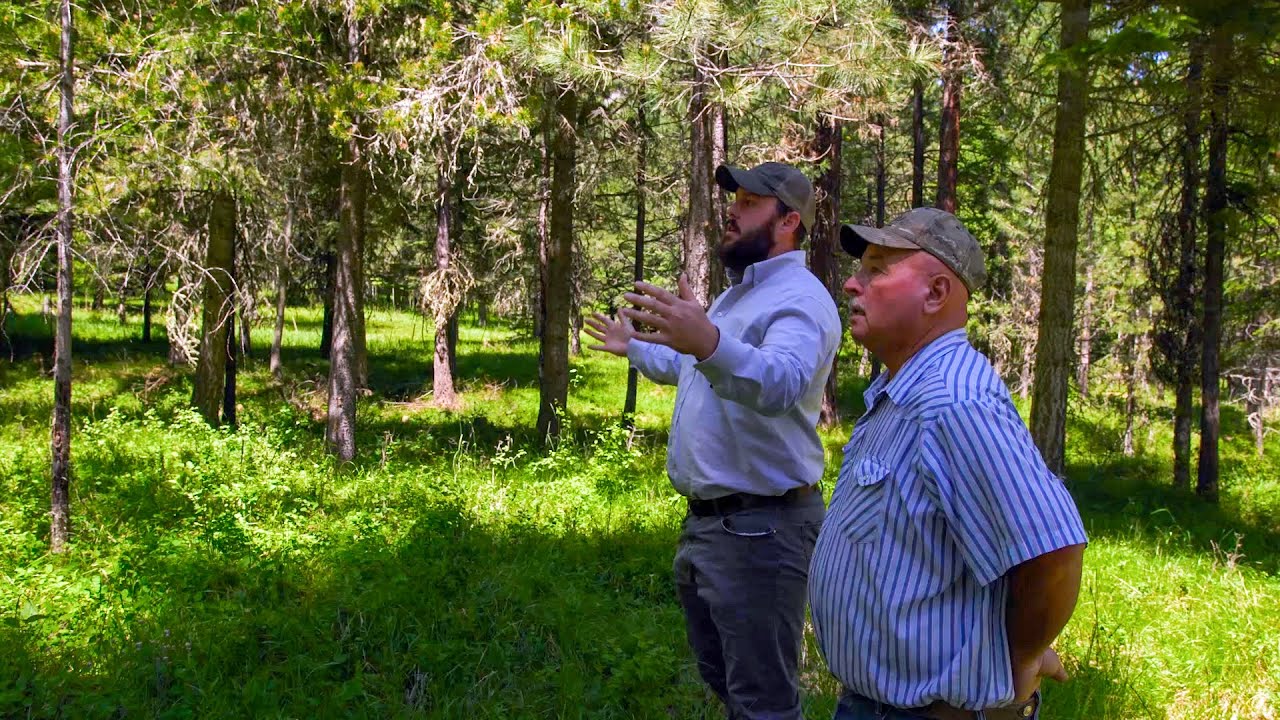
A short film on Lostine Canyon forest health, published by Wallowa Resources. Follow it into the atlas’s records for Lostine and the organization’s work.
Valley Bronze is not the whole local bronze story. The Oregon Folklife Network describes Steve Parks learning to correct surface imperfections at a tooler’s bench, moving with a foundry, and helping launch Valley Bronze before running Parks Bronze in Enterprise. It also names his brother Tim’s TZ Bronze. The undated profile documents a path by which practical knowledge moved between people and workplaces; current operating status needs separate verification.
Timber Bronze describes another part of the field, making bronze hardware rather than only public sculpture. Shelley Curtiss’s biography combines sculptural practice with a period operating Joseph Art Castings from 1989 to 1995. That interval describes her role, not necessarily the foundry’s entire lifespan.
These are different roles within a specialization: an artist, a casting operation, a hardware maker. Counting them as interchangeable foundries would blur the picture just as much as listing only one business. Their connections show a distinctive local trade; they do not, on their own, establish that bronze employs a large share of the county.
A short newspaper interview gives those industry connections a human scale. In February 2018, Joseph public-works employee Justin Doherty told the Chieftain that he had gone straight from Joseph High School in 1998 to the Joseph Timber sawmill. He worked there until its 2002 closure, then poured metal at Valley Bronze until 2017 before moving into city utility work. At the interview date he was also a volunteer fire captain.
Asked what was best about living in the county, he answered: “It’s home. I’d be lost somewhere else.” The sequence of employers sits beside that attachment. His account connects timber manufacturing, bronze production, municipal services and volunteer emergency response through a single person’s working life.
One interview cannot establish a countywide pattern of retraining or wage changes. It can show what an industry total leaves out: workers move between the categories. An economy can change around a resident who wants to stay, and the knowledge of that resident can remain useful in several different workplaces.
The Bureau of Labor Statistics’ 2025 annual QCEW data report 447 covered establishments and an annual average of 2,855 payroll jobs in Wallowa County, with about $158.1 million in wages. Private employers account for 2,067 of those jobs. The difference—788, or about 28 percent—is government employment across the covered ownership categories.
This changes a street-level impression of the economy. Shops, galleries, and visitor businesses are easy to see, while public employment is a substantial part of the measured payroll landscape. An establishment is a reporting unit, not necessarily a separate firm, and these figures do not describe all self-employment or unpaid work.
Detailed industry values can be suppressed to protect confidentiality. A missing foundry employment figure is therefore not evidence of no foundry employment. The defensible conclusion is narrower: the data establish the county’s covered payroll scale, but do not quantify the bronze trade’s share.
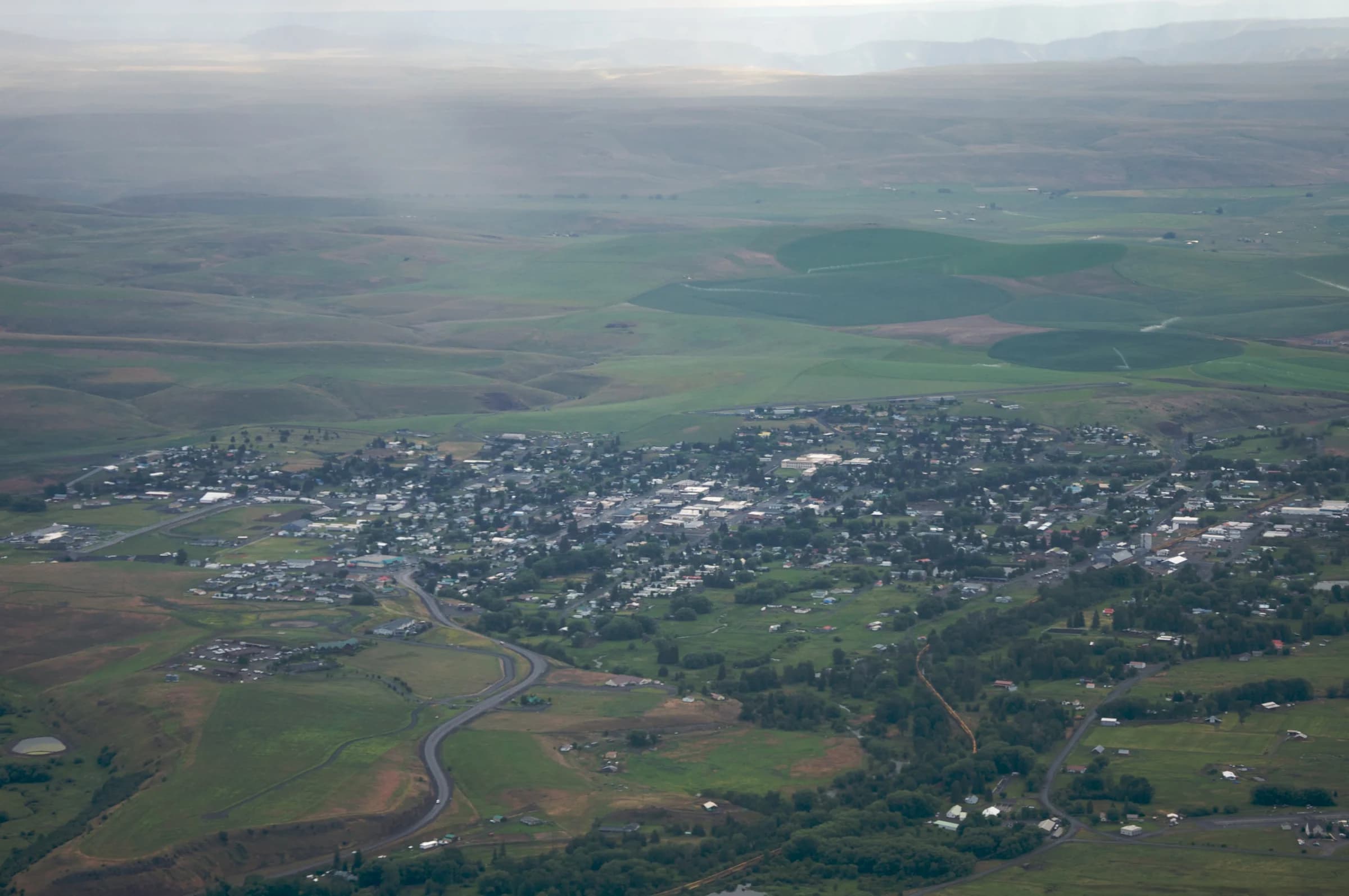
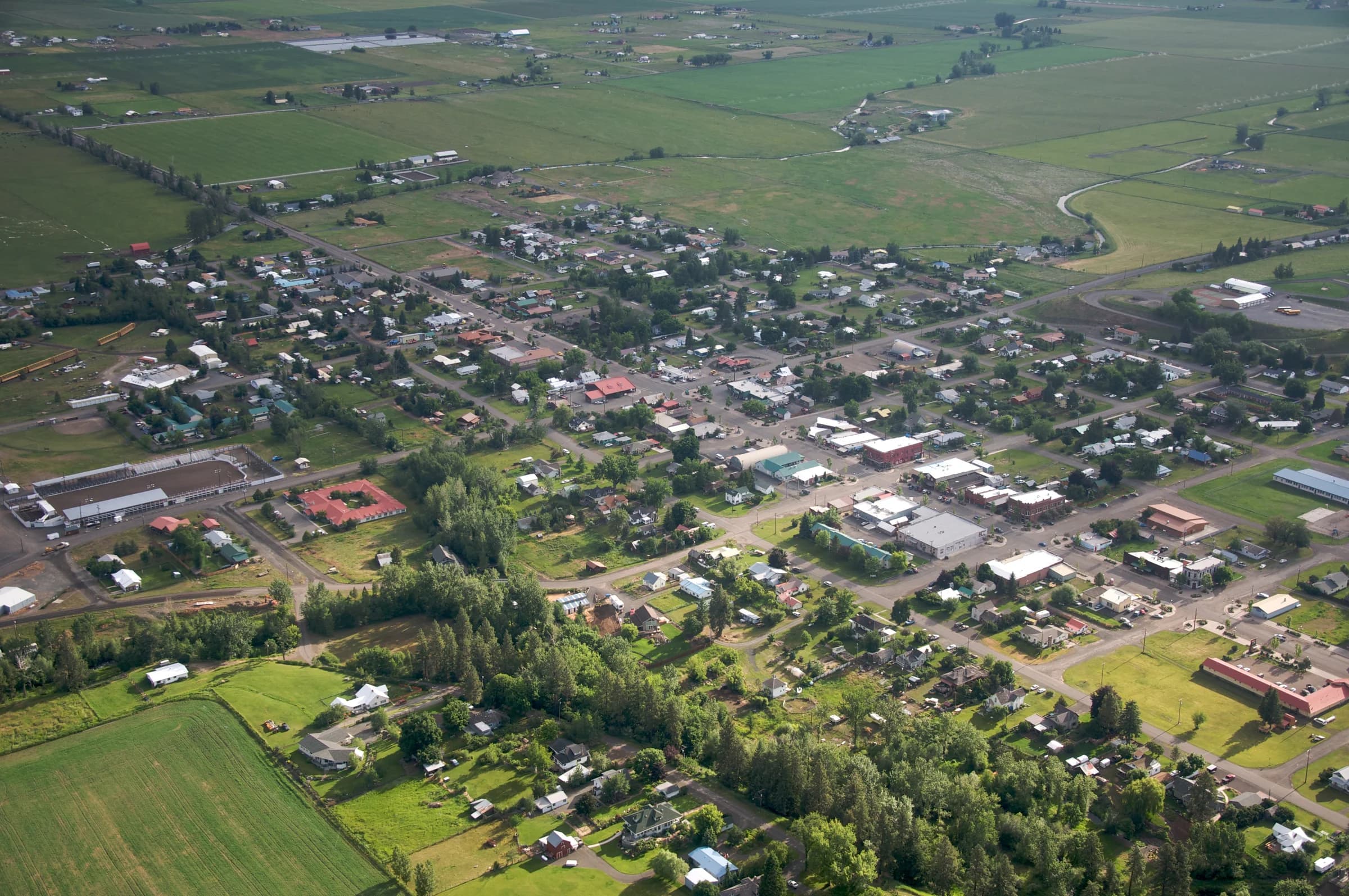
An aerial view of Enterprise and the surrounding fields. A town and its surrounding working landscape; individual employers cannot be identified from this view. Sam Beebe · 2007-07-08 · CC BY 2.0 · Image & source ↗
Terminal Gravity dates its first IPA to 1997. Stein Distillery describes growing grain as part of its production process. Arrowhead Chocolates dates its Joseph shop to 2010. These examples connect making a product with selling it, and sometimes with agriculture or a place to gather.
That overlap is important when interpreting a business directory. A single operation can participate in manufacturing, retail, and hospitality without becoming three independent firms. Conversely, one legal registration can conceal several workplaces or lines of work. An economic portrait needs to keep both the business and its activities in view.
The question is how much of a product’s value is created and retained locally. The available descriptions show some of the steps; they do not reveal margins, wage distribution, or the origin of every input. Those remain questions for records and willing business owners, rather than numbers to infer from a storefront.
Before the county’s bronze reputation took shape, commercial artist Eugene “Gene” Hayes was making a living from its shops and gathering places. Marilyn Hulse’s history describes the Bear Creek-born artist painting advertisements and signs around Wallowa Lake, Joseph, Lostine and Wallowa during the 1960s. His commissions also included maps, stationery and landscapes.
At Hurricane Creek Grange, Hulse identifies a large montage of business advertisements on the stage wall. Such a work joins two histories that are easily separated: art as skilled paid work, and merchants purchasing attention where neighbors gathered. The local arts economy included the sign and the advertisement as well as the gallery object.
The montage offers a research route into an earlier business landscape. Each name could lead to a proprietor, a shop, a product or a closing date. But the businesses represented there were advertisers; reading the panel as a complete census would lose the distinction between a town and its promoted image.
Maxville Heritage preserves a logging community that no longer appears as an operating town. Timber work brought people, skills, and family lives into the county; a present-day directory cannot recover those relationships by itself.
Read alongside today’s makers and payroll data, that history suggests a county shaped by several overlapping economies rather than a single succession from logging to tourism. Some work is highly visible, some appears mainly in administrative totals, and some survives through former workers and descendants. Understanding the region requires all three views.
Wallowa County Chieftain · Historic Oregon Newspapers, University of Oregon Libraries · Accessed 2026-09-13
February 7, 2018, page A9. Published interview, headed Public Works, City of Joseph. Employment and volunteer roles refer to the interview date. Quotation retains the speaker’s wording; no present-day employment claim.
Wallowa History Center · Marilyn Hulse · Accessed 2026-09-13
Undated local historical retrospective. Describes commercial signs, advertising montages, maps and commissions. The location of a surviving artwork does not establish public access or reproduction permission.
Production is one part of an economy. Processing, transport, sales, ownership, and skills determine how work becomes an income. Follow the beef story into questions that apply across the county’s industries.