A living record · Tribal nation

Nez Perce Tribe

A sovereign nation whose history and continuing life are essential to understanding this region.

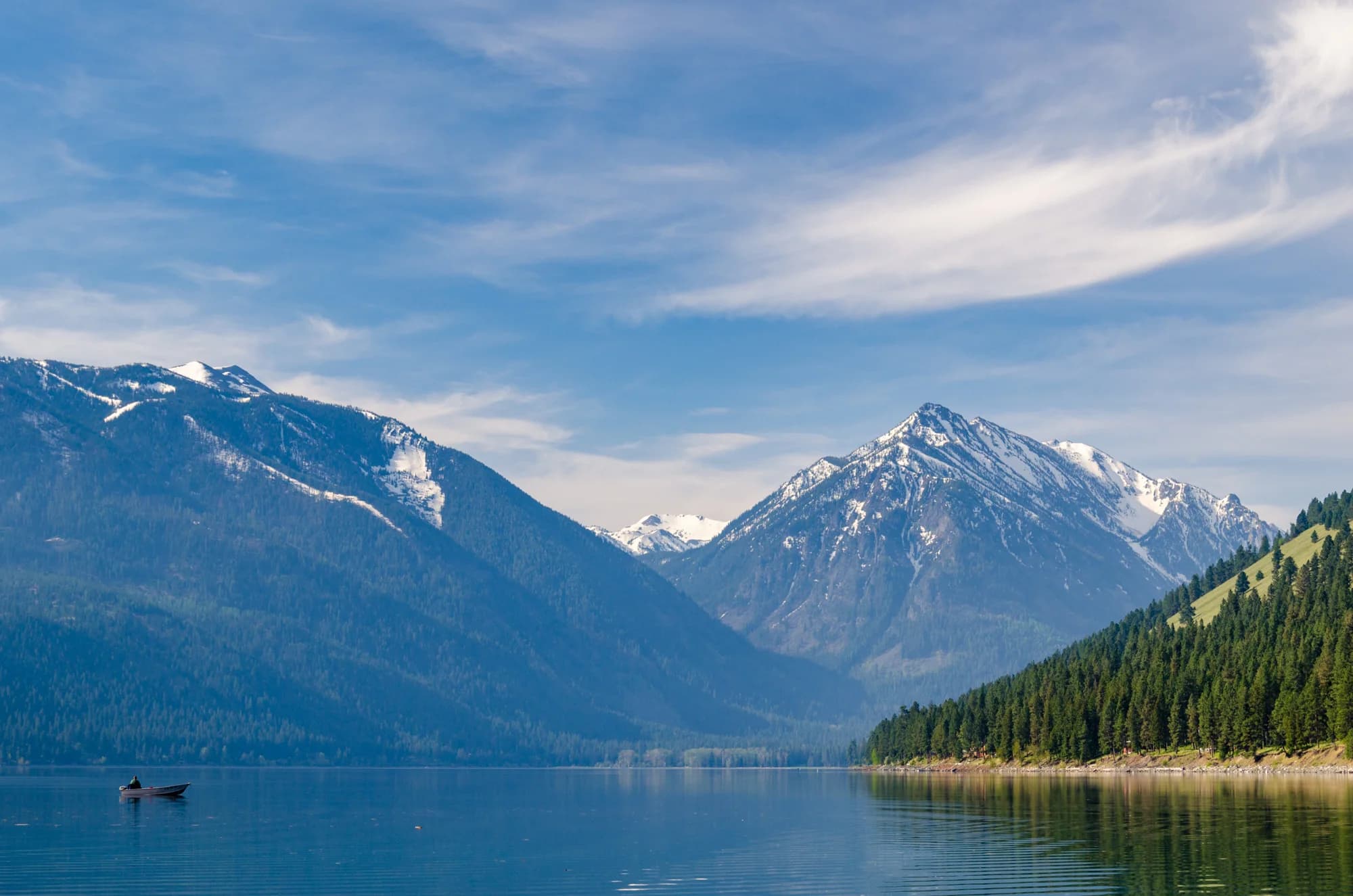
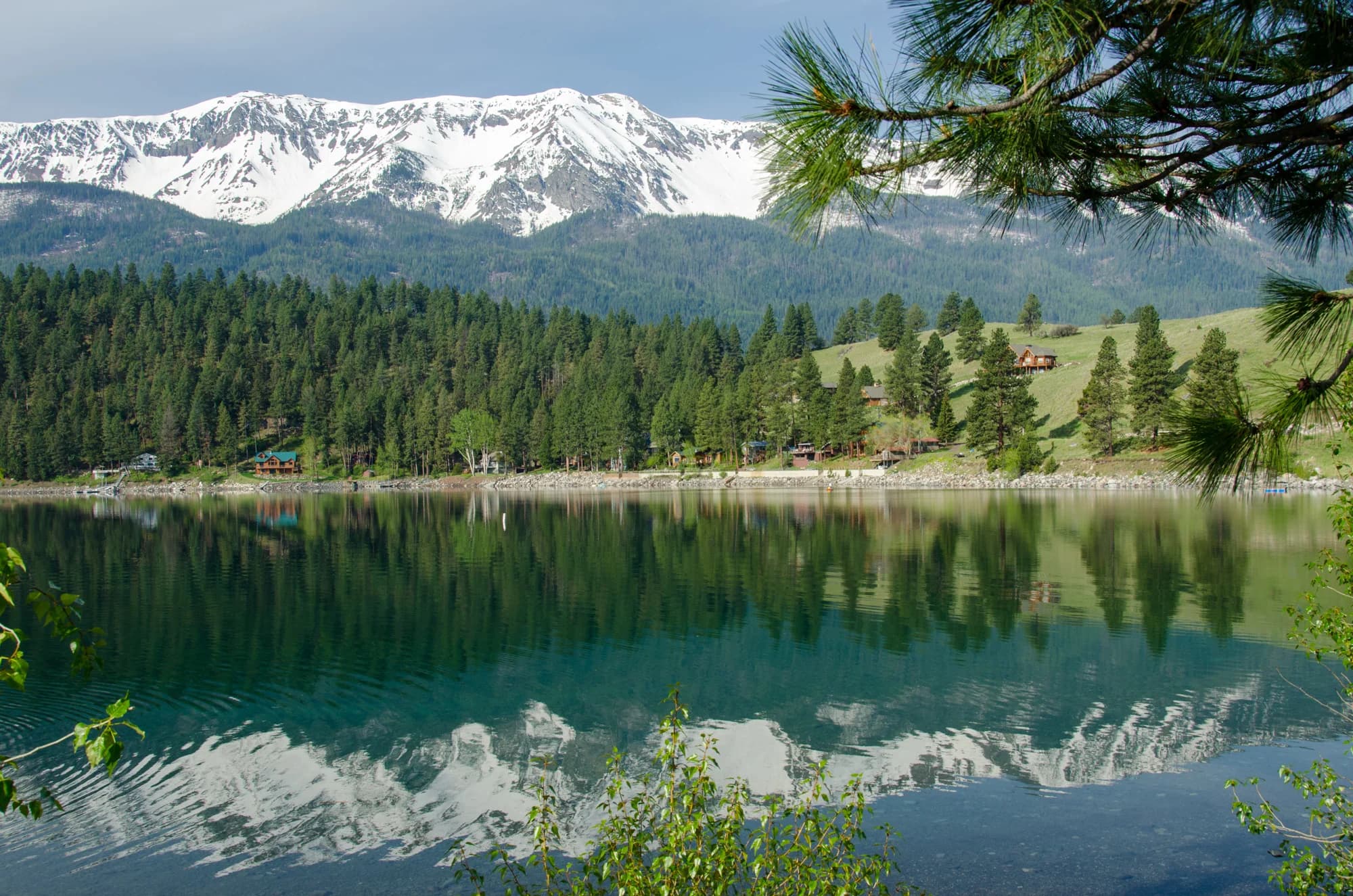
Wallowa Lake and the mountains, seen from the county park at the north end. Regional landscape context for this record.
Wallowa country

Wallowa Lake and the mountains, seen from the county park at the north end. Regional landscape context for this record.

Gary Halvorson, Oregon State Archives · 16 May 2012 · CC BY 4.0 · Image & source ↗

The Tribe’s own history describes Nimiipuu life across parts of present-day Idaho, Oregon, and Washington, with travel for fishing, hunting, and trade reaching farther.

Treaties, displacement, and continuing cultural practices belong to the same account. A present-day county boundary cannot contain that geography, and the atlas does not treat tribal history as a closed chapter.

Also known as: Nimiipuu · Nimíipuu
Follow the connections

Read the landscape alongside tribal historyWallowa Lake
Original recordings · Connected to this page

Watch this part of the story.

All recordings
Original accounts

Voices connected to this place

The larger story

Read the connections.

Wallowa Lake and the mountains, seen from the county park at the north end.
Chapter 01 Land & water

The land holds the story.

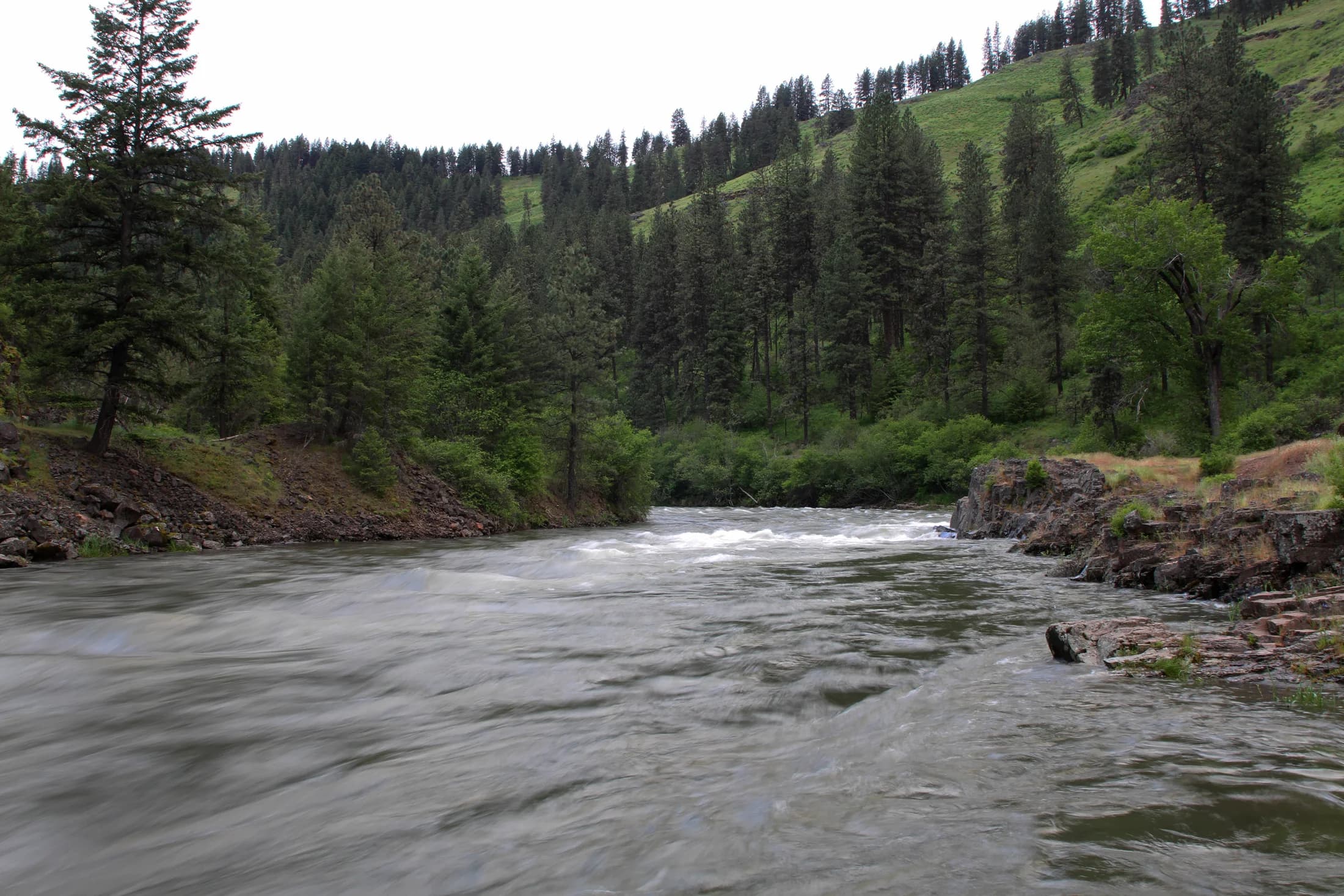
A river can be a farm’s water supply, a salmon’s route home, and a test of whether neighbors can make room for one another. Follow the Lostine to the East Moraine, where care for the land became a set of concrete agreements.

Read the story
The Wallowa Mountains reflected in the lake, photographed from the north-end county park. This landscape photograph does not depict a particular cultural gathering.
Chapter 02 Indigenous homelands

A homeland, in the present tense.

Treaties, fisheries work, family visits, and a plan that looks a century ahead: Indigenous life changes the county’s story when it is understood as continuing authority and homecoming, as well as history.

Read the story