Publisher-assigned directory categories; operating status and NAICS assignment not independently verified.
From a workplace to a county economyWhat makes
What makes
a living here?
Find the businesses behind a trade. Follow what they make, the work they support, and what we can measure about the wider economy.
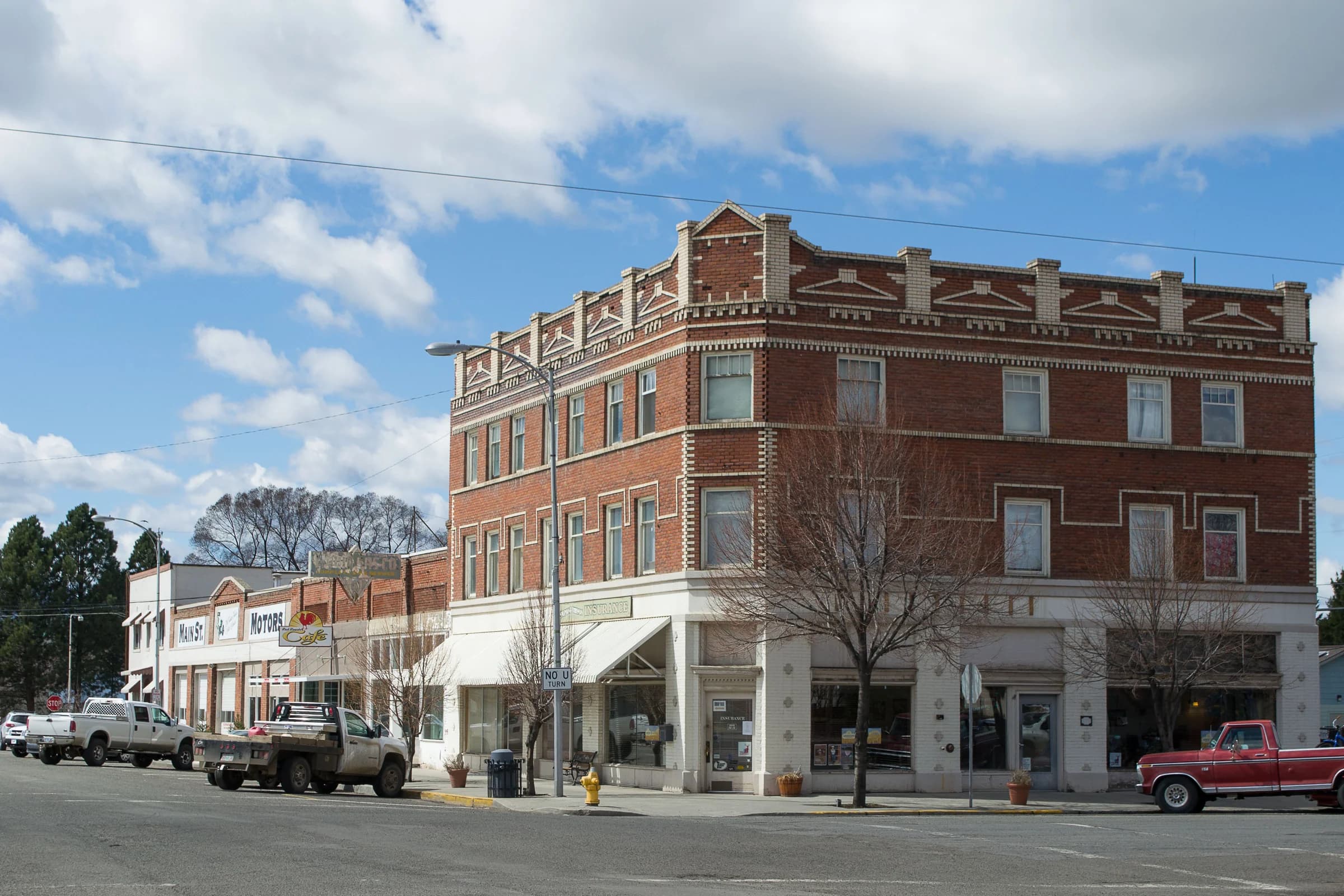
A connected inventory, with its gaps in view.
355 distinct chamber listings in 45 overlapping categories, plus a researched bronze-work network. Each association keeps its source. The state registration inventory remains separate; its generic names do not establish an industry or an operating location.
Membership directories omit nonmembers and can include organizations, attractions, or businesses outside the county. We have not counted these listings as the total number of firms, and we have not inferred supplier relationships from proximity.
Businesses, one by one.
Choose a trade or directory category to see every associated record in this source inventory. Broader county coverage is still being researched.
62 matching records · 62 in this inventory · Page 3 of 3
Chamber categories overlap and include organizations, attractions and businesses serving the region from elsewhere. A listing is not proof of a county establishment or a current storefront. Category membership is not an official NAICS classification.
Publisher-assigned directory categories; operating status and NAICS assignment not independently verified.
Bronze is a network of different kinds of work.
01
Design
02
Molds & patterns
03
Casting
04
Fabrication & finishing
05
Sales & installation
This is an analytical description of the production process, not a verified supply chain between every listed firm. Valley Bronze publishes casting, fabrication and installation services. Timber Bronze publishes lost-wax hardware products. A studio creates designs; a gallery sells work. Those roles should be searchable separately, even when one business performs several.
The inventory also includes Parks Bronze, TZ Bronze and historical Joseph Art Castings as well, with uncertainty about present operation made explicit. A region can have a recognizable specialist trade without that trade being its largest employer.
To establish an actual production network, the next evidence is specific: which shop performs a casting, which contractor finishes or installs it, where materials originate, and which buyers commission the work. Supplier and customer links need a dated source. No transaction value or relationship is inferred here from a shared industry label.
Read the bronze industry record ↗Measure scale separately.
447Covered employer establishments
2,855Covered payroll jobs
$158.1mAnnual covered payroll
These BLS figures describe employment located in Wallowa County, not everyone who lives or works here. They do not count all self-employed people, unpaid work or every agricultural worker. Jobs are not unique people; an establishment is not a company.
Government accounts for about 27.6% of this covered employment, calculated from the published all-ownership and private totals. That is one reason an economic portrait needs schools, public services and federal workplaces alongside storefronts.
BLS QCEW scope and methods ↗Private-sector employment by industry
Retail trade288Accommodation and food services267Construction191Transportation and warehousing99Administrative and support and waste management and remediation services78Real estate and rental and leasing76Professional, scientific, and technical services67Finance and insurance61Arts, entertainment, and recreation36Agriculture, forestry, fishing and huntingNot disclosedUtilitiesNot disclosedManufacturingNot disclosedWholesale tradeNot disclosedInformationNot disclosedEducational servicesNot disclosedHealth care and social assistanceNot disclosedOther services (except public administration)Not disclosedUnclassifiedNot disclosed
Suppressed cells are unknown, not zero. Displayed sectors do not add up to the private-sector total when cells are suppressed. Manufacturing and the detailed nonferrous-foundry category are suppressed in the 2025 extract; these data cannot substantiate a current bronze-work headcount.
Follow an industry through time
Private employers · 10 Total, all industries
| Year | Establishments | Payroll jobs | Annual payroll | Average annual pay | Employment concentration* |
|---|---|---|---|---|---|
| 2022 | 434 | 2,044 | $85,293,242 | $41,727 | 0.87× |
| 2023 | 449 | 2,115 | $96,292,801 | $45,527 | 0.86× |
| 2024 | 409 | 2,070 | $98,492,656 | $47,585 | 0.85× |
| 2025 | 401 | 2,067 | $103,399,790 | $50,016 | 0.85× |
*BLS employment location quotient compares this industry’s share of local employment with its national share. It measures relative concentration, not productivity or the share of sales leaving the county. Source classification: NAICS 2022. Acquired 2026-09-13.
What a deeper economic picture needs
The next layer is establishment-level evidence: operating location, business activities, opening and closure dates, seasonal work, and documented links to other businesses. Business identity must remain stable when a shop moves; multiple legal registrations must not automatically become multiple workplaces.
Employment, sales, ownership, procurement and worker experience answer different questions. Payroll data misses much independent work; a company website describes capabilities, not output; a chamber category describes membership, not a statistical sector. These sources become useful together when their boundaries stay visible.
Sources and coverage
- Wallowa County Chamber of Commerce directory, acquired 2026-09-13. Source member IDs deduplicate repeated category appearances; they do not consolidate corporate ownership.
- BLS Quarterly Census of Employment and Wages, annual county extracts for 2022–2025, with disclosure flags preserved.
- BLS industry classifications: NAICS 2022 for this period.
- Bronze-work evidence: company descriptions, the Oregon Folklife Network and an artist’s professional history.
- Research collection: further historical and contemporary sources awaiting synthesis.